
YPL Reunion 2016 – REPORTING
|
|
||
|
|
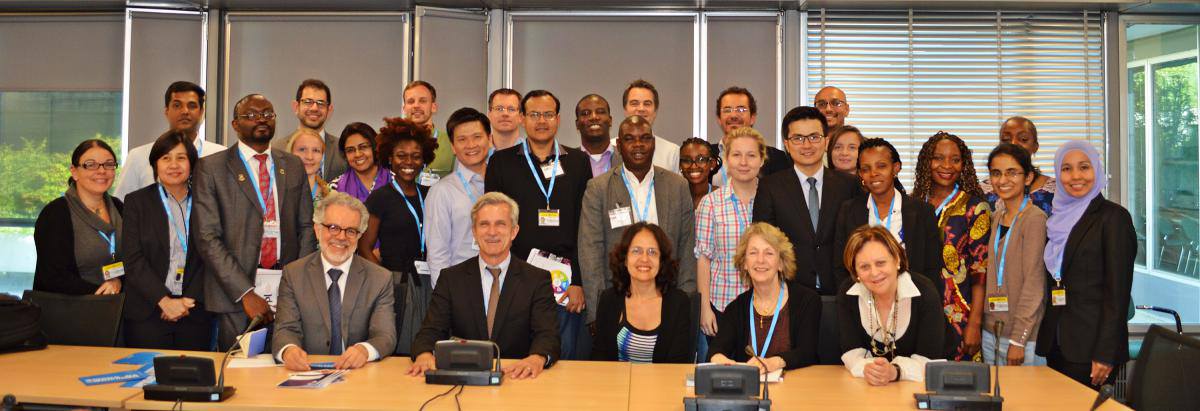
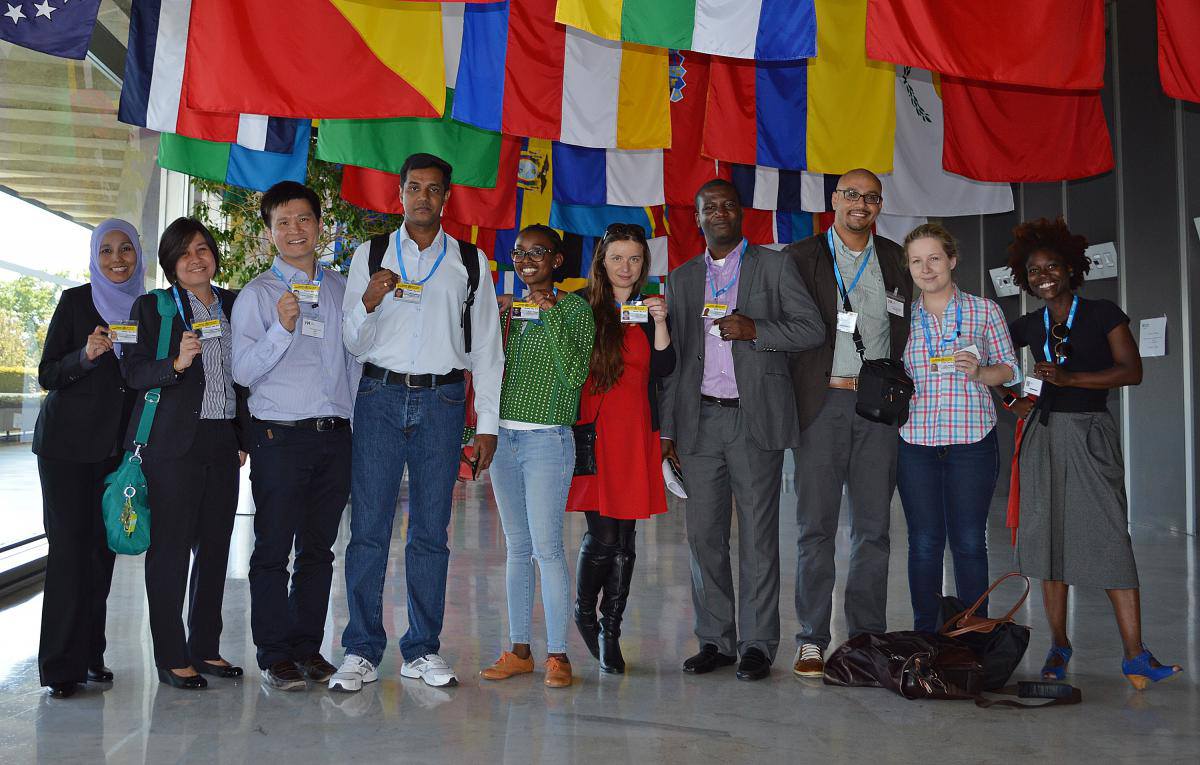
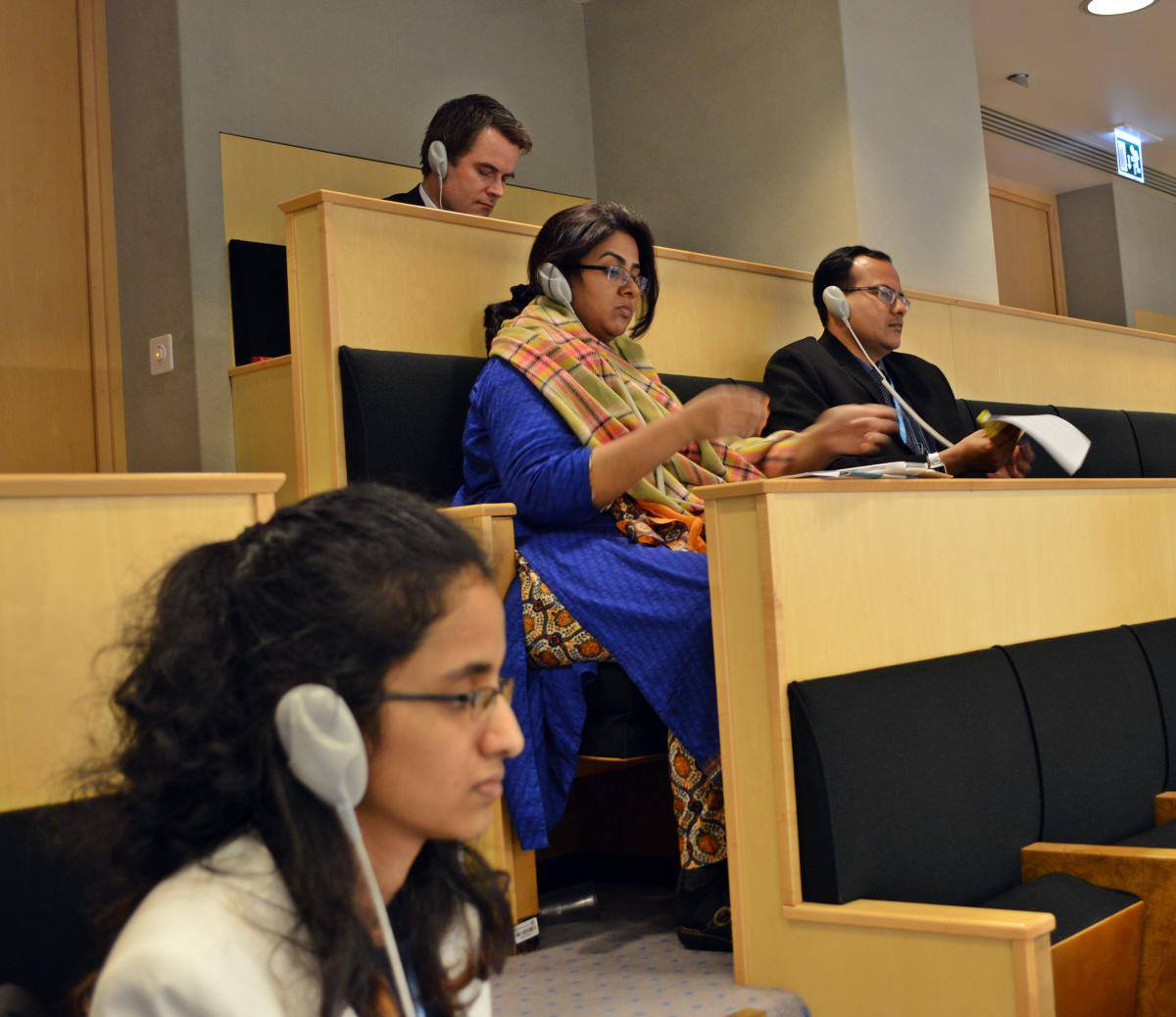
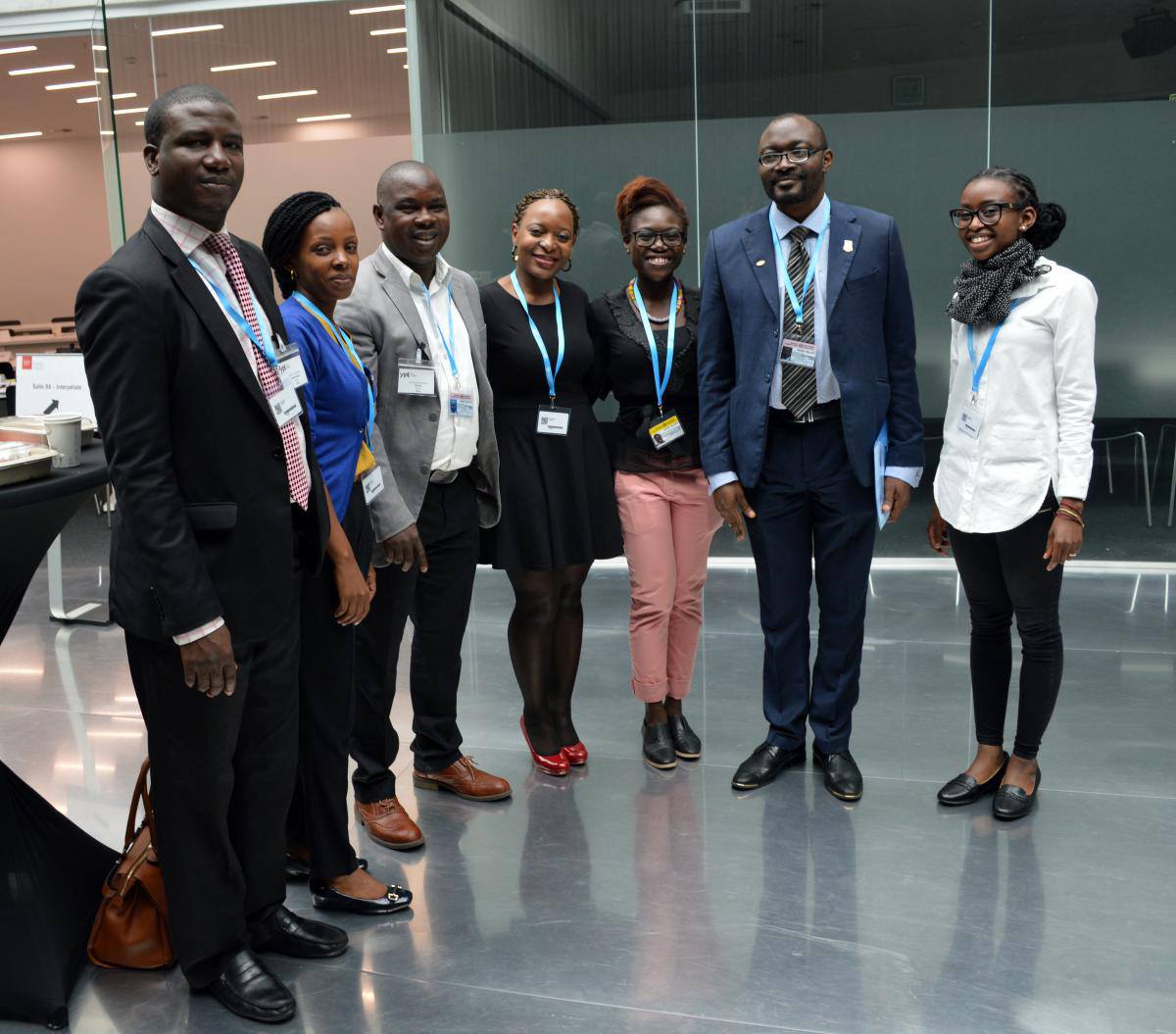
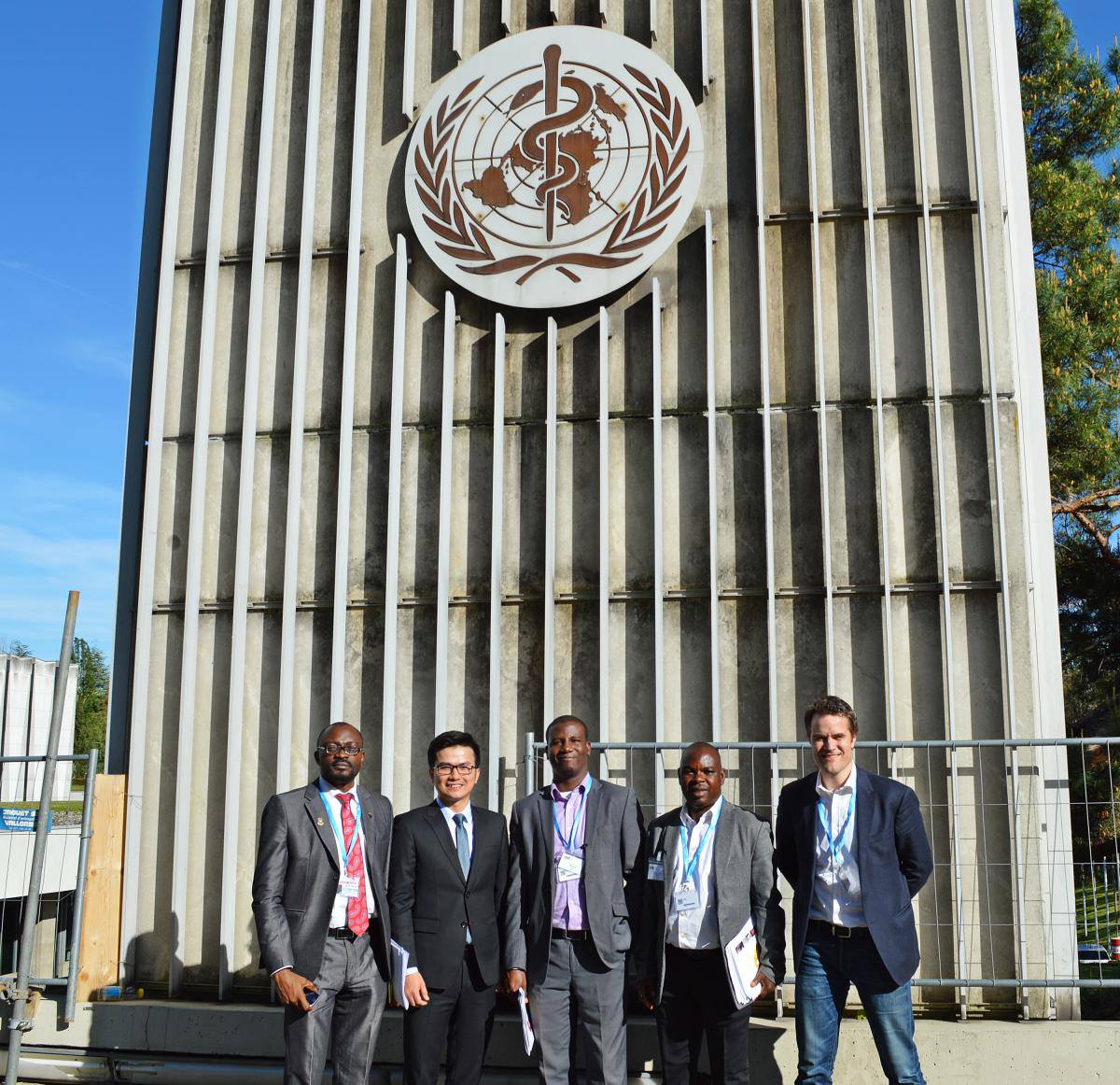
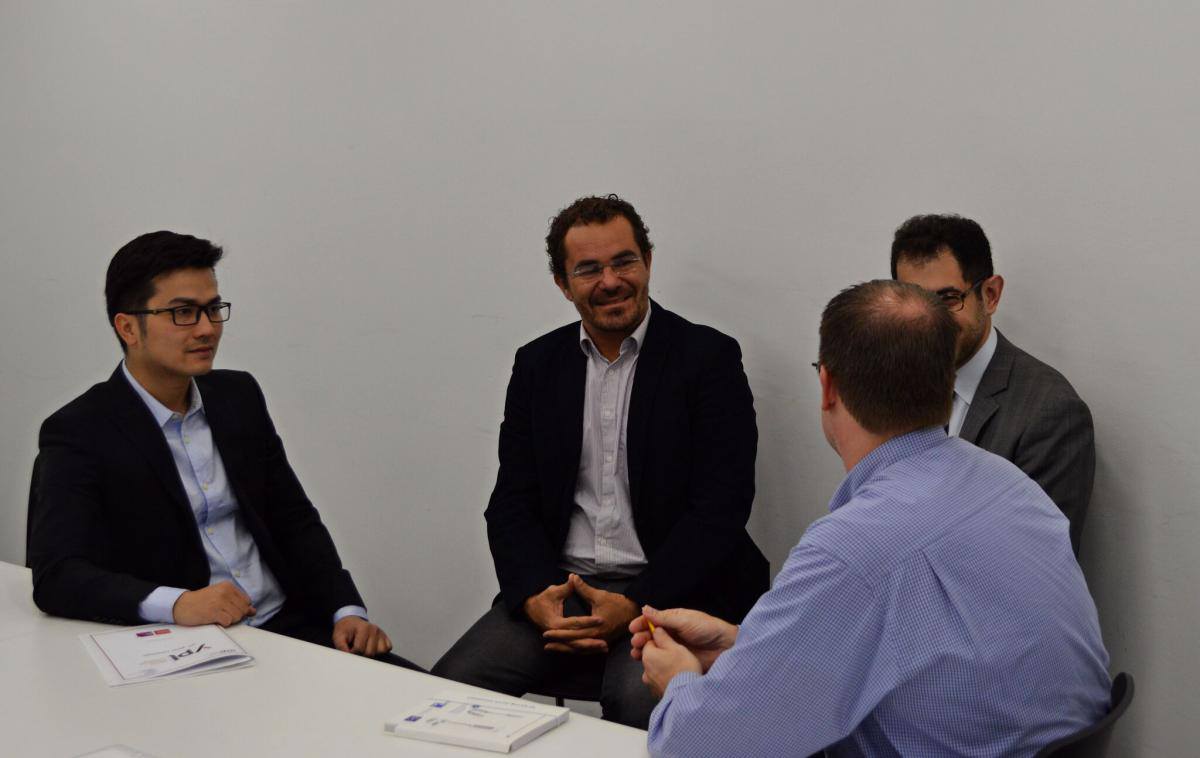
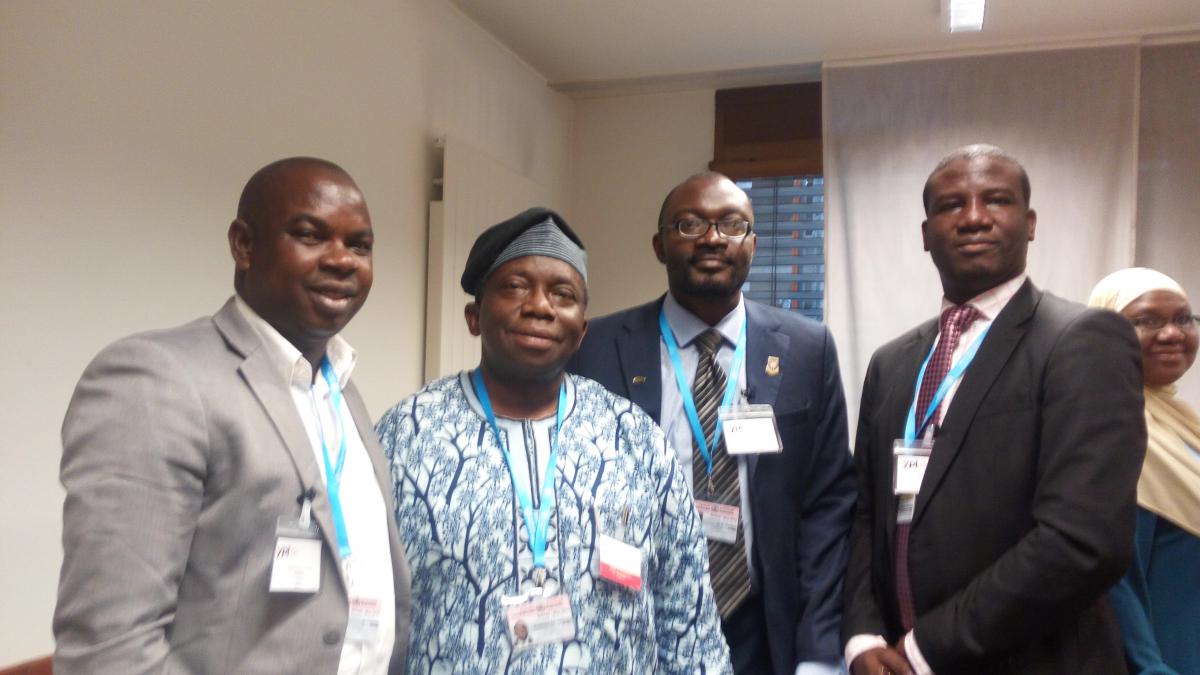
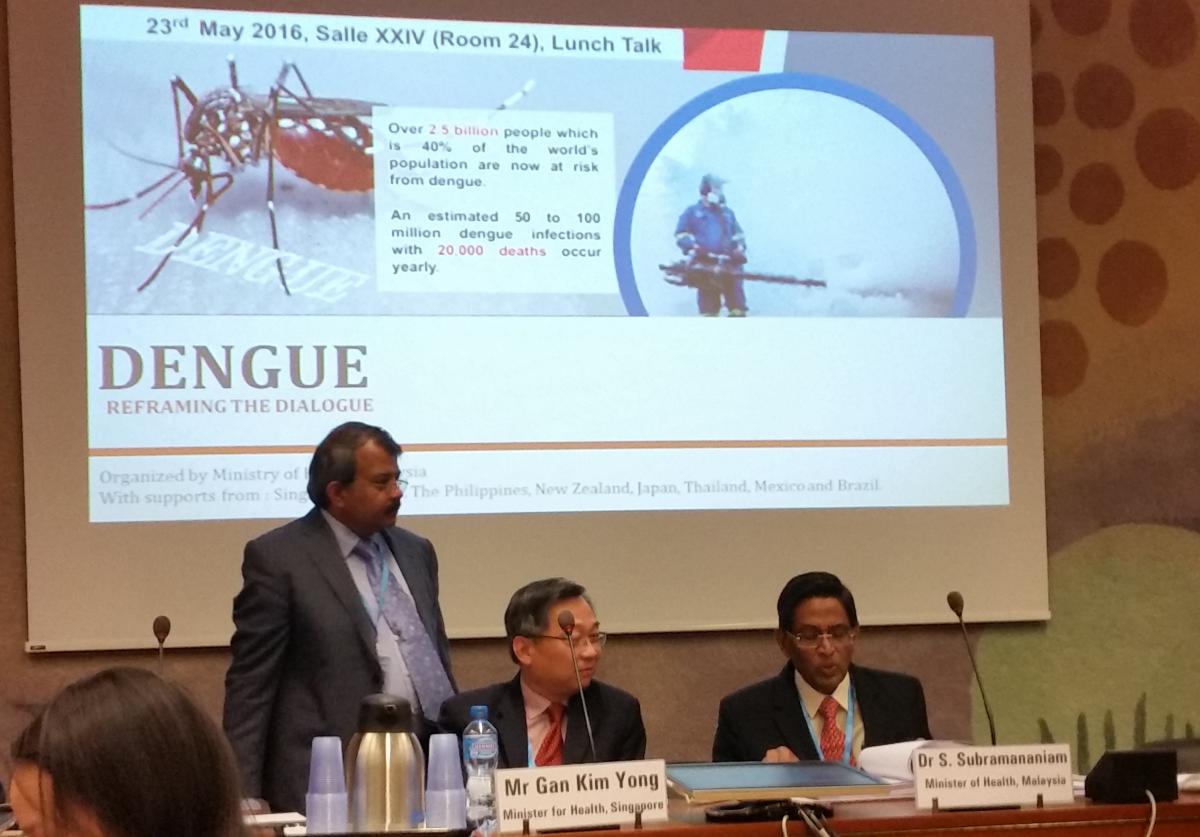
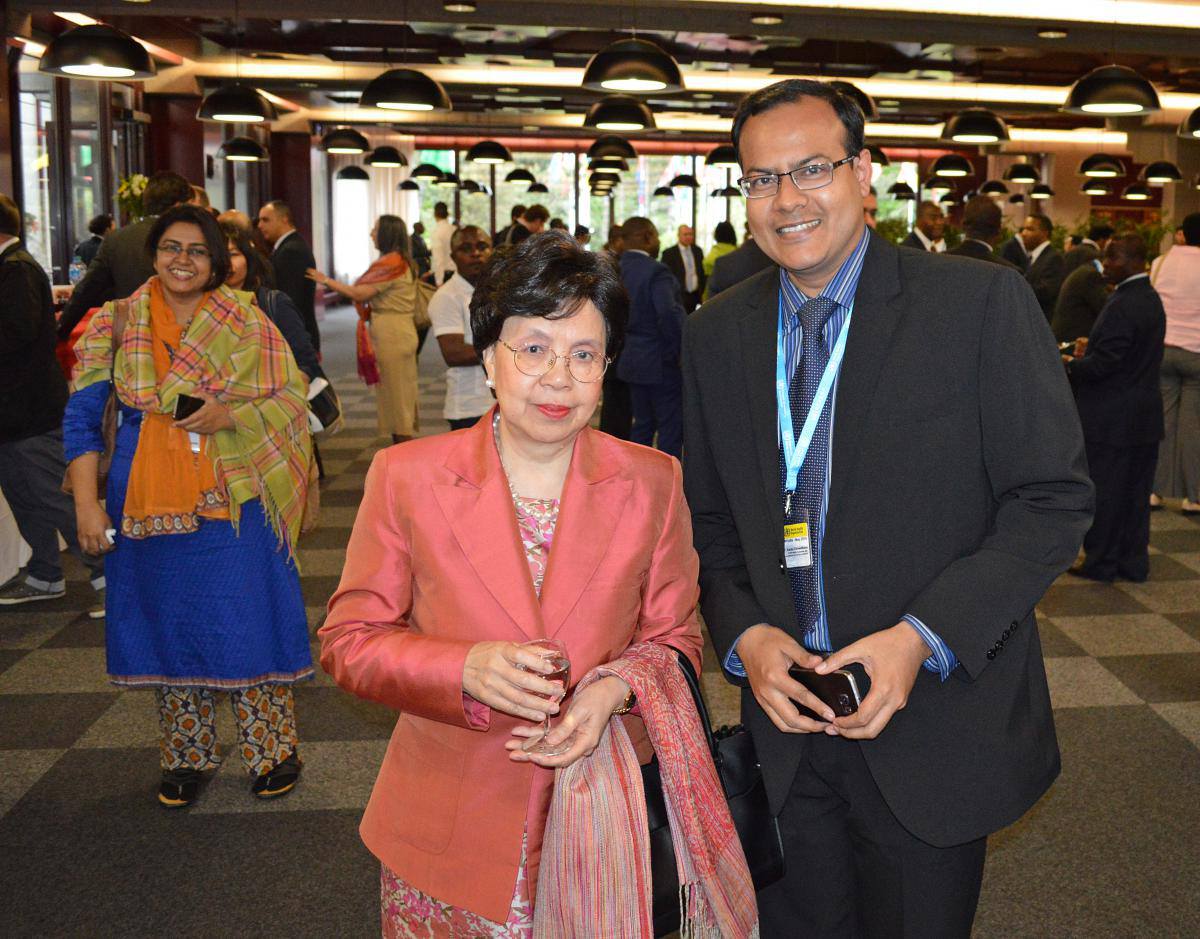
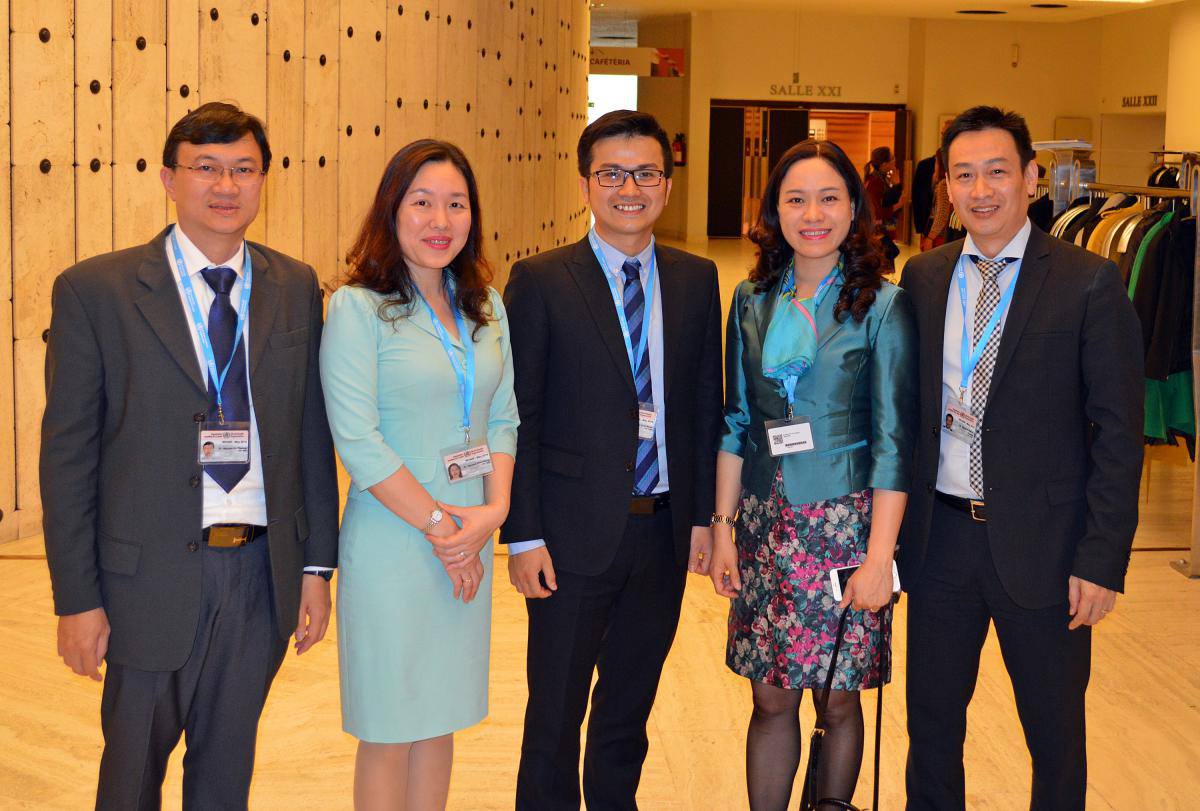
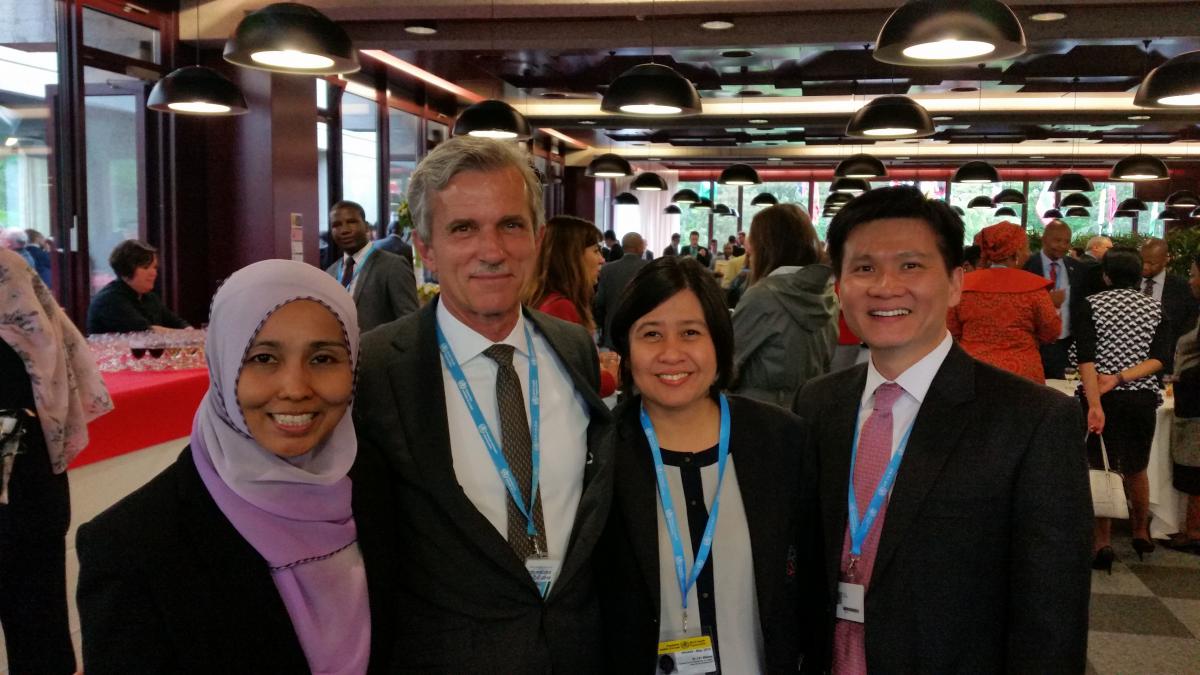
The alumni came from 19 different countries and are young physicians with a range of expertise, from intensive care and anaesthesiology, to cardiac surgery to psychiatry, who all have one thing in common: they are grappling with the issues of increasing management and leadership duties without having had formal training in that area. The aim of the programme is to foster a new generation of leaders in global health and the YPL are chosen with particular attention to their outstanding accomplishments in clinical medicine, medical education and most of all in public health and health policy with a clear commitment to serving society beyond their medical professional choice. The experience of these 25 “alumni” from among the over 100 “graduates” of the programme at the World Health Assembly was the perfect chance for them to be exposed to the global level of health programs and policy making, see how their countries of origin fit into the process, and be exposed to fabulous role models who have taken on global leadership roles to advance health. To maximize the benefits to the convening YPL alumni, prior to the WHA, the participants had been encouraged to obtain accreditation with their national WHO delegations. In this regard, they were expected to act as observers and not to encroach on the roles of the official delegates. Some of the YPL were able to obtain accreditation with their national delegations prior to the meeting, while the majority received accreditation through NGOs such as the Council on Health Research for Development (COHRED) which permitted them access to the WHA. It is interesting to note that during the WHA several YPL were able to link up with their national delegations which previously had not been so receptive, and they were thus able to participate in some of the organized events and receptions. During the workshop the YPL discussed the results of a pre-workshop survey with particular attention to exploring leadership styles, a review of managing difficult conversations and finding balance and time management. Time was also dedicated to Brainstorming on re-designing an alumni network. The YPL were also able to visit the WHO HQ where they had the opportunity to meet with Dr. A. Assamoah-Baah, Deputy Director General, Dr. Thomas Zeltner special envoy to the WHO DG, Dr. Carlos Dora, Coordinator, Interventions for urban environments on WHO’s Urban Health program, Dr. Islene Araujo de Carvalho, Senior Policy and Strategy Advisor, Ageing and the Life Course, WHO. Dr. Assamoah-Baah in particular showed great willingness to give his time to discuss the challenges facing WHO and his own personal journey to leadership candidly as well as engaging actively with the YPL in answering their numerous questions in what was truly a once in a lifetime opportunity for many of them. On Sunday afternoon, the YPL attended an “Introduction to the World Health Assembly: A Briefing for new Delegates” hosted by the Graduate Institute Geneva on behalf of the United Nations Foundation. The Graduate institute also provided the premises for the YPL workshop. All YPL were asked to provide a daily Journal that briefly (half-page max) responds to the following queries: 1. What session did you attend today? (Some of these journals and comments received are linked to this page) Amongst the follow up activities planned after the WHA:
Deep appreciation is due to Schweizerische Akademie der Medizinischen Wissenschaften (SAMW) (Swiss Academy of Medicine) without whose support the event would not have been possible. |
INDIVIDUAL REPORTS
|